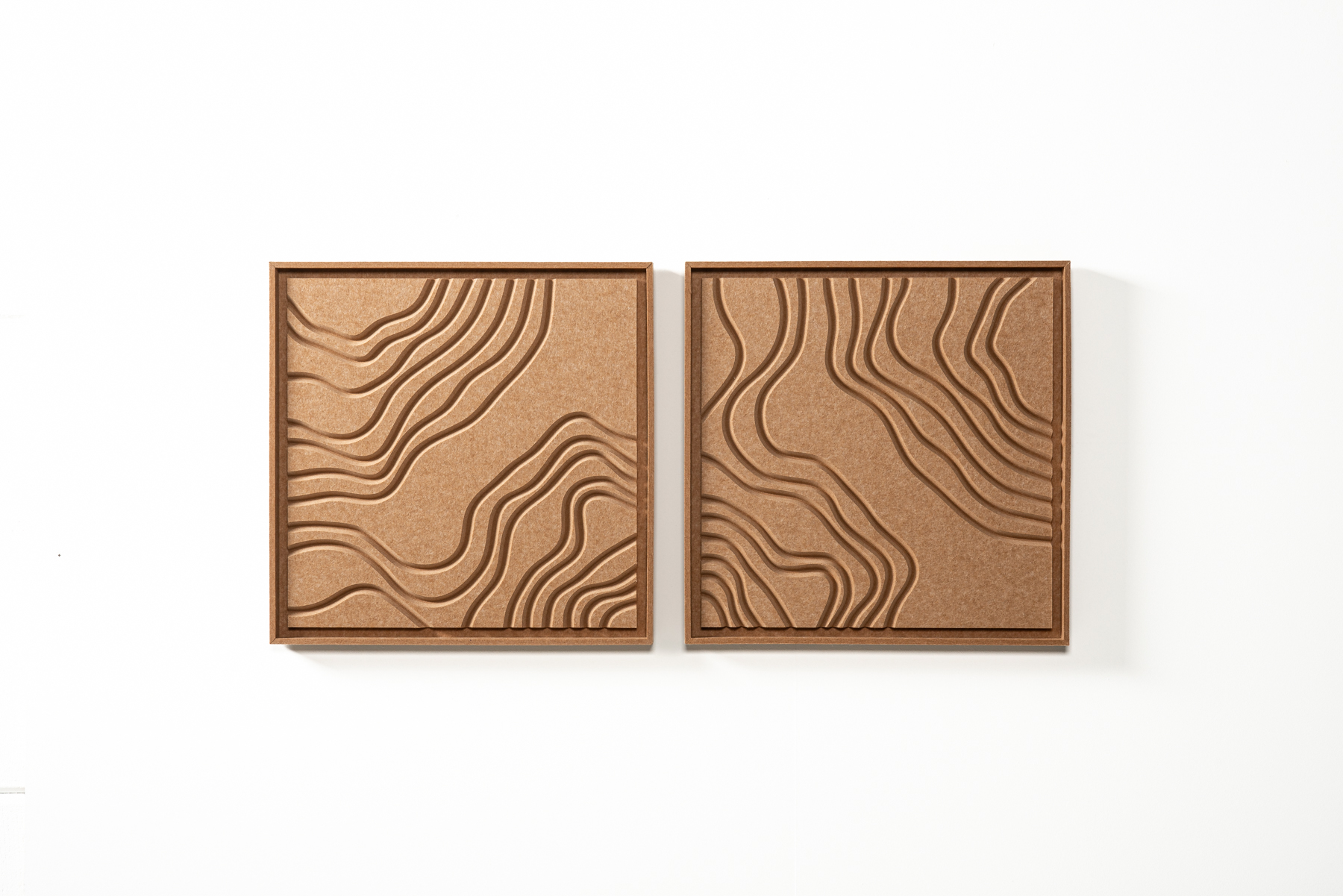

FeltWorx is redefining the boundary between environmental responsibility and high-end interior design through its philosophy of New Life from Waste. Our collection of acoustic panels is more than just a functional solution; it is a sustainable product that transforms the perception of felt wall art from a simple decor item into a meaningful statement of conservation.

These acoustic panels represent a significant advancement in circular design, moving beyond simple aesthetics to address the global plastic crisis. By prioritizing environmental restoration, the manufacturing process actively diverts waste from fragile marine ecosystems and , where plastic pollution poses an existential threat to biodiversity through entanglement and ingestion by marine life. A defining feature of this high-performance material is its commitment to upcycling: 85% of the raw material is derived from post-consumer waste. This primarily includes discarded single-use plastic bottles that have already fulfilled their intended purpose.
The core of each panel is engineered from high-density PET felt, a material derived from a rigorous upcycling process. A defining feature of this sustainable composition is that 85% of the raw material consists of post-consumer waste, primarily sourced from discarded single-use plastic bottles. By utilizing "post-consumer" content specifically, the production cycle ensures that materials already used by the public are recovered and transformed, preventing them from entering landfills or incinerators — a process that would otherwise release harmful toxic emissions into the atmosphere.

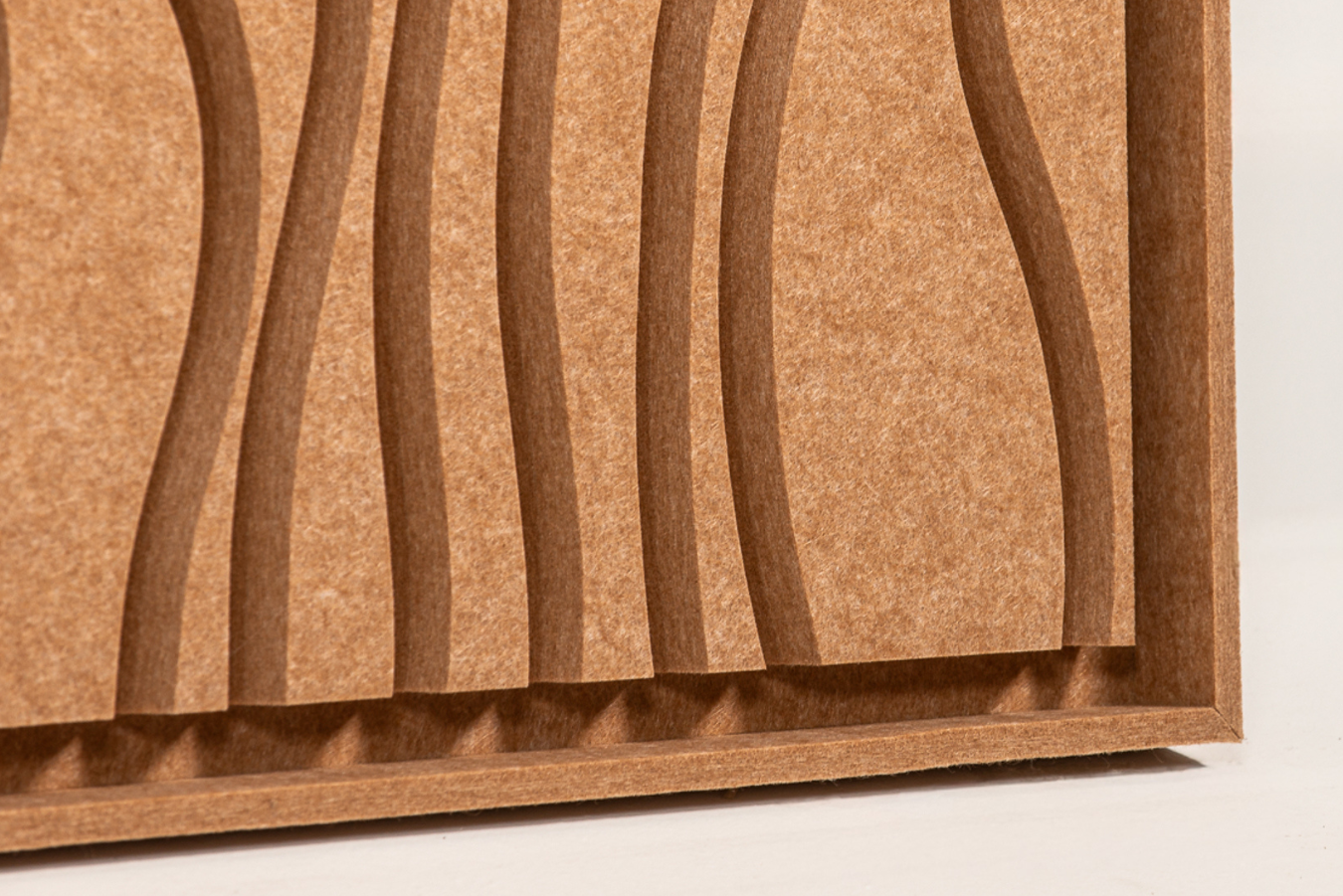
Furthermore, a dedicated portion of this recycled content is comprised of ocean-bound plastic— waste collected within 50 kilometers of shorelines where waste management systems are inefficient or non-existent. This proactive approach intercepts plastic before it can break down into harmful microplastics. The result is a high-performance architectural solution that offers superior sound absorption while maintaining a carbon footprint significantly lower than panels made from virgin synthetic fibers. Through this commitment to recycled feedstock, these panels turn a global environmental burden into a functional, long-lasting design asset.
This holistic approach to sourcing—combining ocean-bound plastic collected near vulnerable shorelines with industrial-grade pre-consumer scraps—ensures that every panel acts as a functional carbon sink. The result is a high-density PET felt that offers superior sound absorption while utilizing 70–80% less energy than panels made from virgin fibers. Through this rigorous standard of sustainable manufacturing, these panels turn a global environmental burden into a durable architectural asset that remains fully recyclable at the end of its life.